
 Cahyo Budi
 How ash affects hookah smoking quality is an important topic for both beginners and experienced users who want to achieve the best possible shisha experience. While many focus on flavor and tobacco, charcoal quality—especially ash content—plays a critical role in overall performance.
Among various factors, ash production directly impacts heat stability, airflow, and flavor. Therefore, understanding how ash behaves during combustion helps users make better choices and improve their sessions.
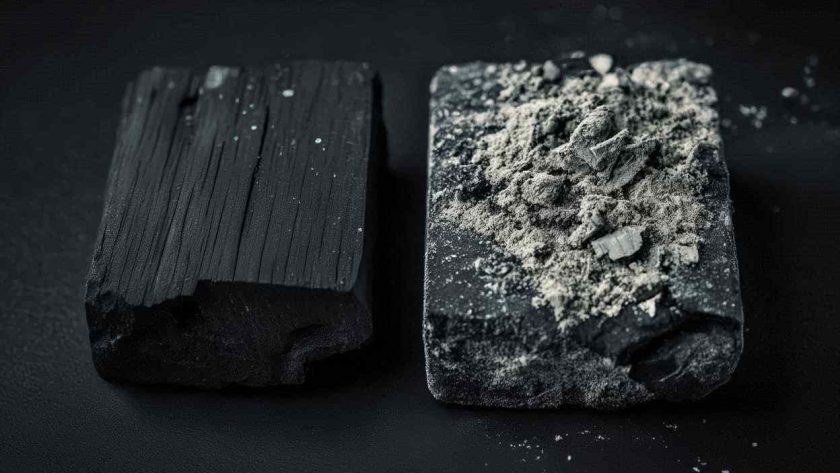
What Is Ash in Hookah Charcoal
Ash is the non-combustible residue left after charcoal burns. It consists of minerals and impurities that do not contribute to heat production.
In hookah charcoal, ash content is usually measured as a percentage of the total weight. Premium charcoal typically has ash levels below 2 to 2.5 percent.
The lower the ash content, the cleaner and more efficient the charcoal performs during a hookah session.
How Ash Affects Hookah Smoking Quality
Ash directly influences the overall smoking experience in several ways. One of the most noticeable effects is on heat distribution and consistency.
As charcoal burns, ash accumulates on the surface and can act as a barrier between the heat source and the shisha tobacco. This reduces heat transfer efficiency and affects smoke production.
Therefore, higher ash levels can lead to unstable sessions, while low ash charcoal helps maintain consistent performance.
Impact on Heat Management
Heat management is essential in hookah smoking, and ash plays a significant role in controlling temperature. Excessive ash buildup can insulate the charcoal, reducing its ability to transfer heat effectively.
This forces users to frequently adjust or rotate the coals to maintain proper temperature. Inconsistent heat can result in weak smoke or burnt flavor.
With low ash charcoal, heat remains more stable, allowing for smoother and more predictable sessions.
Effect on Airflow and Smoke Production
Ash can also affect airflow within the hookah setup. When too much ash accumulates, it may block foil holes or restrict airflow in heat management devices.
Reduced airflow leads to weaker smoke production and less satisfying sessions. Users may need to clean or reposition the charcoal more often.
In contrast, low ash charcoal minimizes blockage and supports better airflow, resulting in thicker and more consistent smoke.
Influence on Flavor Quality
Flavor is one of the most important aspects of hookah smoking, and ash can significantly impact it. High ash charcoal may introduce unwanted tastes or interfere with the natural flavor of the tobacco.
As ash builds up, it can create uneven heat, which affects how the tobacco burns and releases flavor.
Low ash charcoal helps preserve flavor purity, ensuring a smoother and more enjoyable smoking experience from start to finish.
Maintenance and User Experience
Another important aspect is maintenance. High ash charcoal requires frequent cleaning and ash removal, which can interrupt the session.
This is especially inconvenient in professional settings where efficiency and consistency are crucial.
Using low ash charcoal reduces maintenance effort and allows users to focus more on enjoying the session rather than managing the setup.
Conclusion
Understanding how ash affects hookah smoking quality is essential for achieving the best possible experience. Ash impacts heat, airflow, flavor, and overall efficiency during a session.
By choosing low ash charcoal and sourcing from trusted platforms like why low ash charcoal is better for hookah and numediaagency.com, users can significantly improve performance and satisfaction.
Ultimately, controlling ash content is a key factor in delivering consistent, clean, and enjoyable hookah sessions.


